
Food-Forward:
A Windsor Street Montessori Approach

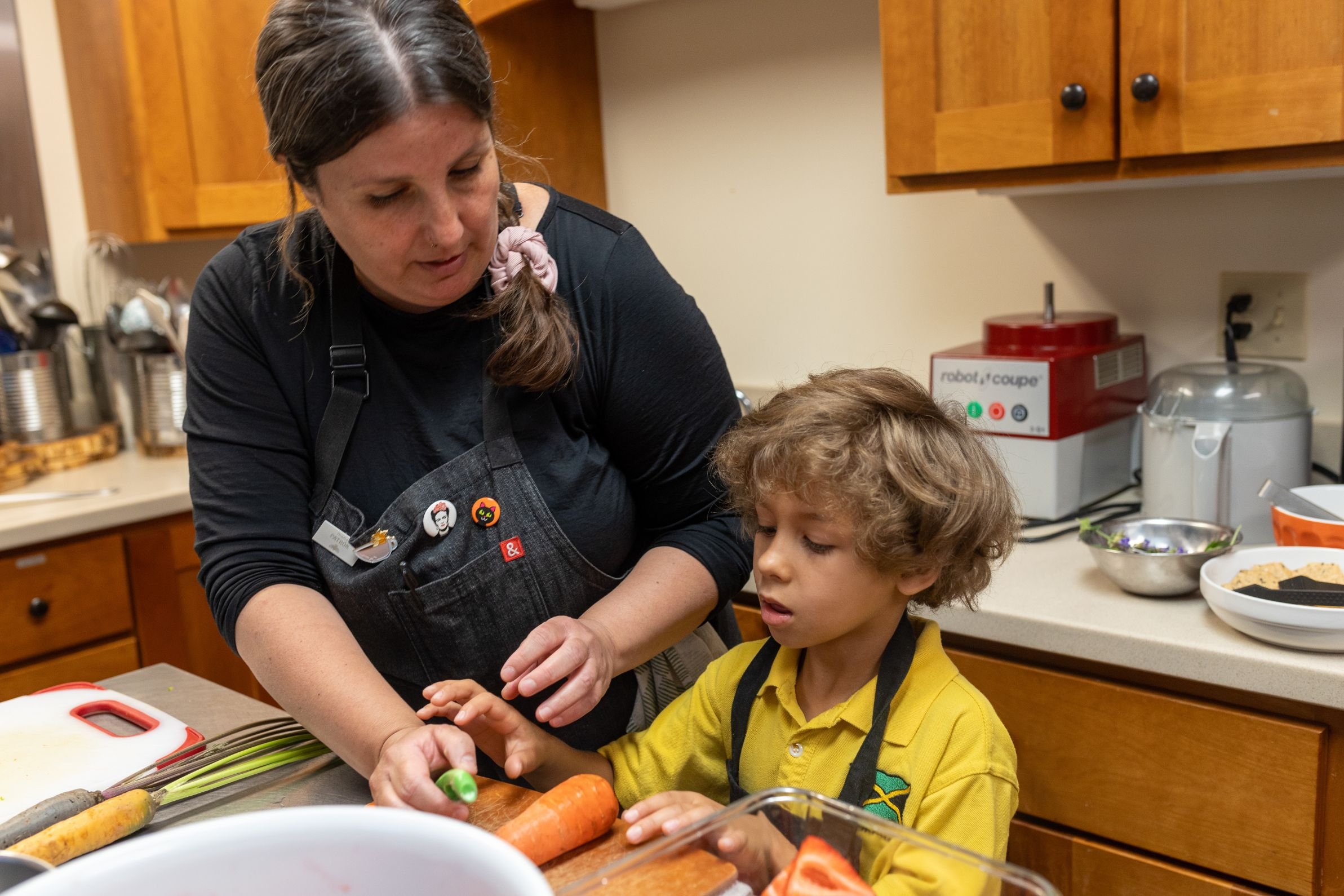
Food-Forward means the garden is part of the lesson, and the lunch table is part of the classroom.
our definition:

Food-Forward is our whole-food approach to Montessori education. Not a diet, not a trend, just real food — mostly from real sources — connected back to the kids who grow it. Our students plant, harvest, cook, and compost as part of their school day, so the lunch table becomes a classroom for where food comes from and who it connects us to. We keep it approachable — familiar foods, familiar names, no pressure — because the goal isn't perfection, it's a lifelong, judgment-free relationship with food.
Where It Came From
As a young immigrant, I faced a rectangular lunch tray with divided, processed food. I couldn't yet understand the language around me, and this small, ordinary tray made an already difficult culture shock feel deeply sad and disconnected. I felt unseen, not just because I didn't understand what was happening, but because this lunch lacked any representation of my culture, my family's love for food, or my home. Even the tray itself, divided into sections, stayed with me. I wondered for years why food couldn't "touch."
I grew up in my mother's restaurant, with a grandmother who taught me to de-bone a whole chicken with my hands. Food had always brought me comfort, connection, and visibility — so that tray didn't just feel unfamiliar, it felt like a loss.
Years later, as a professional chef with a daughter in school, I connected that memory to the lunch table itself: this lived experience is the entire reason Windsor Street Montessori exists today.
Every decision here is a promise: no tray, no divide, no child left to feel alone at the table.
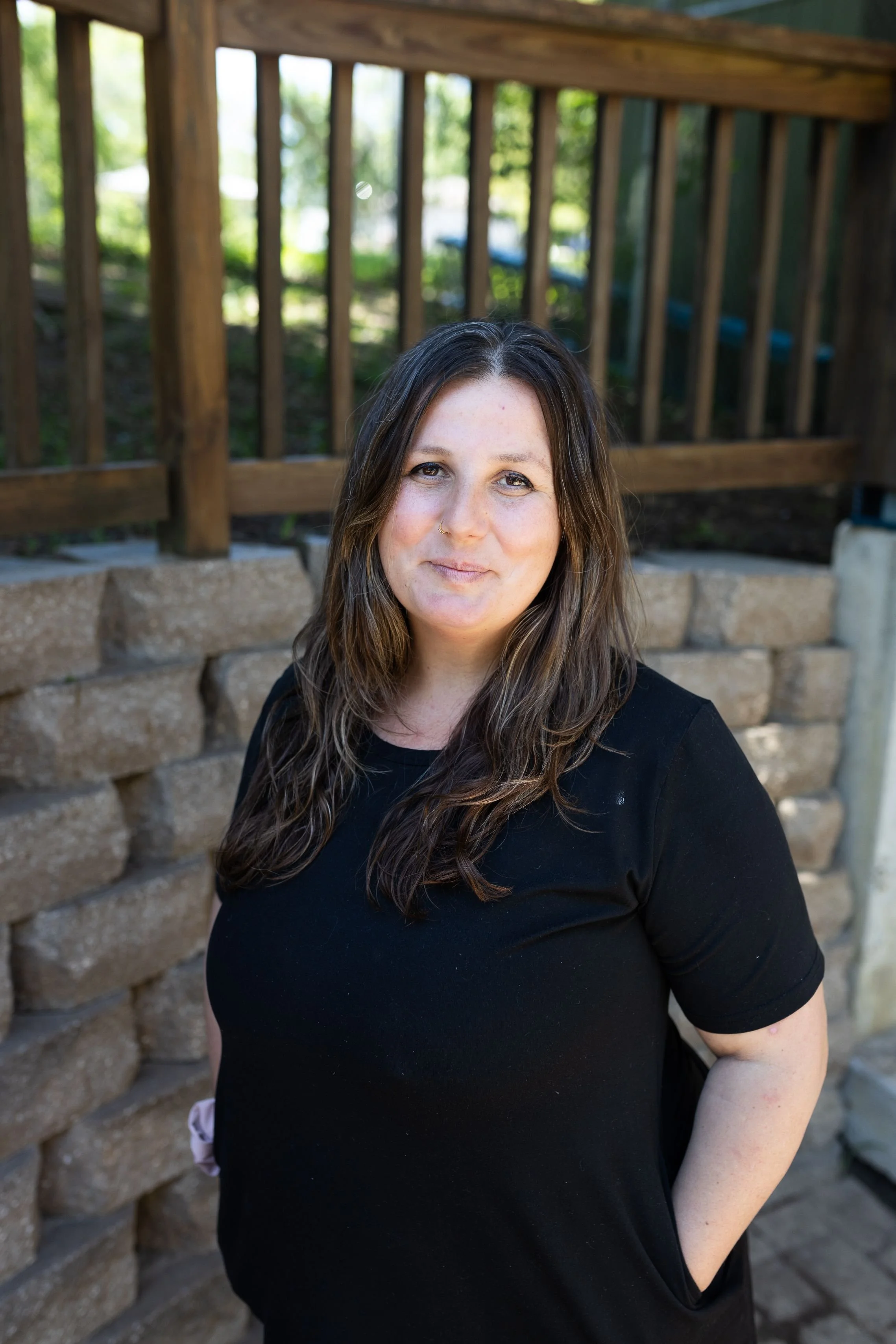
-Chef Gaby, Food-Forward Visionary & Executive Director

FOOD-FORWARD, IN PRACTICE
FOOD-FORWARD, IN PRACTICE


What We Call It Matters
Tomato soup doesn't always get a warm welcome at a lunch table full of kids. So we renamed it. When tomato soup becomes "Pizza Soup," a child can stay curious.
Recipes That Go Home
Lunch doesn't end at the classroom door. Our illustrated recipes go home with students, so families can cook together what their kids helped grow — turning one school lunch into a shared meal, twice.
Independence In Practice
Our toddlers drink from open cups, wipe up their own spills with pride, and set the table for their peers — with real plates, not divided trays. Independence starts small, and it starts at the table.
What This Means for Your Family


Zero Judgment, Total Acceptance
You don't need to change how you cook at home to belong here. We meet every child and family exactly where they are.
Low-Pressure Exploration
No food rules or clean-plate pressure—just joy, curiosity, and respect for young palates.
Real Life,
Not Perfection
It's about connection, warmth, and community, not rigid standards.

Food-Forward doesn’t start and stop in the classroom.
Families tell us it changes how they talk about food at home, too.
Frequently Asked Questions
-
We're whole-food — mostly from real, local sources — but we're not chasing a label like 100% organic. Our focus is your child's relationship with food, not a strict diet.
-
Not at all. We invite, never pressure. Kids develop comfort with new foods at their own pace, and we're there for it every step of the way.
-
We ask that all food come from our program rather than home — this keeps our nut-free environment safe for every child and makes sure everyone's part of the same shared meal.
-
Completely normal, and nothing to worry about. We keep offering without pressure — being around classmates who enjoy the food often does more than any instruction could.
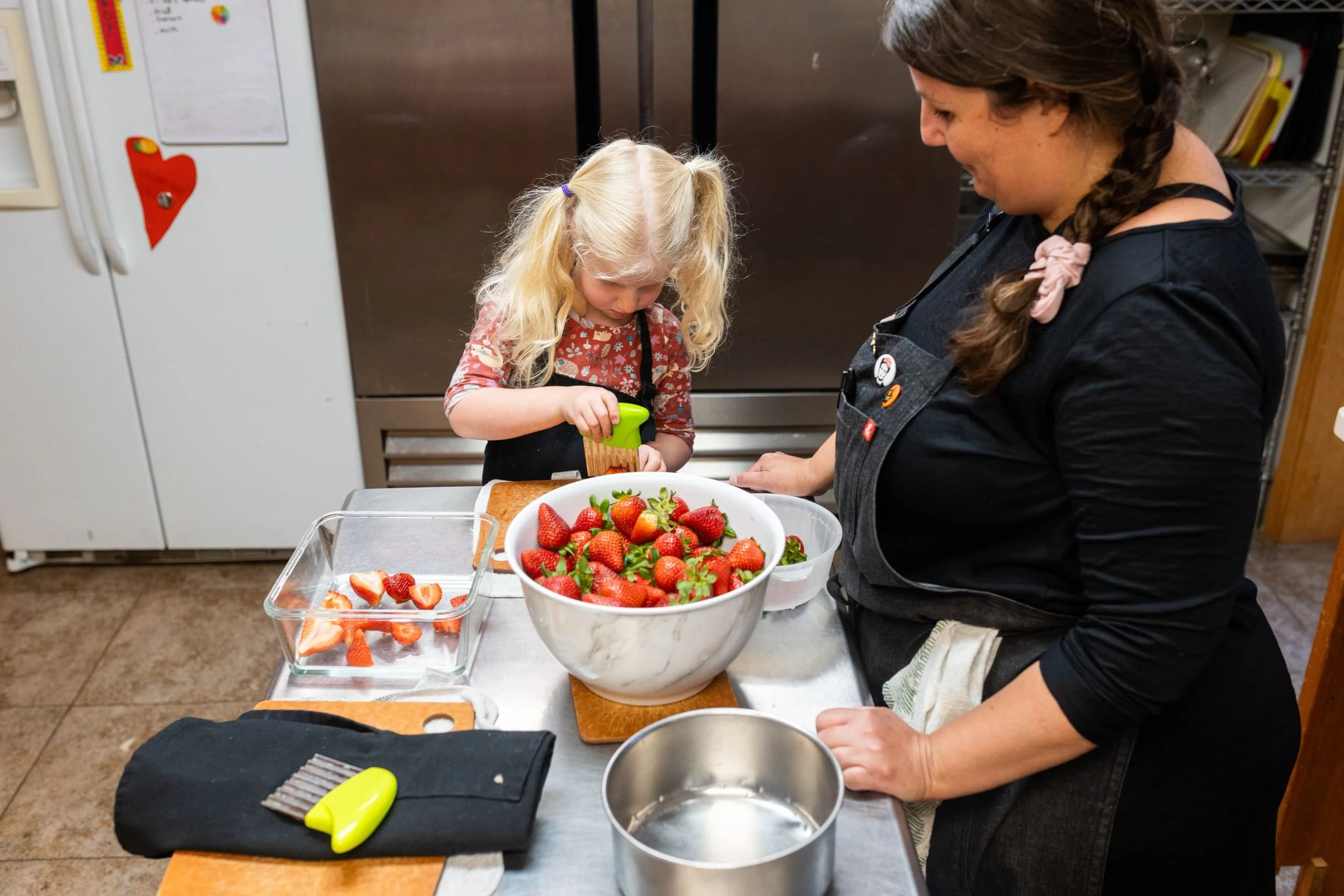
Food-Forward is easier to understand at a table than on a page.
Reach out to learn more about enrollment and see Food-Forward in action.